No one ever knows, not even the geniuses.
David Thomson, The Big Screen, p. 401

Look at this, I made graham crackers. I used this recipe from How to Cook Smarter. (I accidentally added too much baking soda, otherwise I think my crackers would be flatter.) Even for a cooking wimp like me, this was an easy recipe, and the graham crackers are delicious.
I finished reading The Big Screen: The Story of the Movies by David Thomson. What a fascinating book; The Guardian called it “probably the best overview of the cinema ever written.” If you’re a movie buff, I can’t recommend this book highly enough. Even though I’ve been a movie fan most of my life, if it hasn’t been obvious, I’ve been thinking about movies a lot this year. Some of that is the impact of Netflix terminating their DVD business. I’ve never been content to let streaming companies choose what I watch and have relied heavily on finding films of interest to me on DVD from Netflix. But clearly, and Thomson explores this in The Big Screen (because the trend was obvious even when this book was published in 2012), the traditional notion of a motion picture industry isn’t what it used to be. It was a trend that started with television and has progressed through video games, the Web, streaming, and social media. Of course, the responsibility is on all of us, as Richard Linklater said in this Hollywood Reporter interview: “Is there a new generation that really values cinema anymore?” Something that has given me great comfort for decades is no longer what it once was, and as much as that might be a first world problem, I’m finding this digital new world unsettling. So along with some passages from The Big Screen, I’m including interesting quotes from a few movies I’ve watched in recent months.

- P. 248: “You see, we have been this unbelievable way before and demonstrated that technology impresses us more than pleasure or beauty. We are not huddled for nothing – we are stupid, too, as we insist we are making progress.”
- P. 254-255: “Britain conceived and carried forward a kind of broadcasting [the BBC] that is self-sufficient and free from commercial pleas, interruption, and the demented noise of the pitch. It has regularly broadcast things that many people disapprove of, and it has usually resisted that resistance. It has been in trouble with governments. For decades, this bred a mood that cannot be underestimated: that our discourse and our scrutiny deserve to be uninterrupted.”
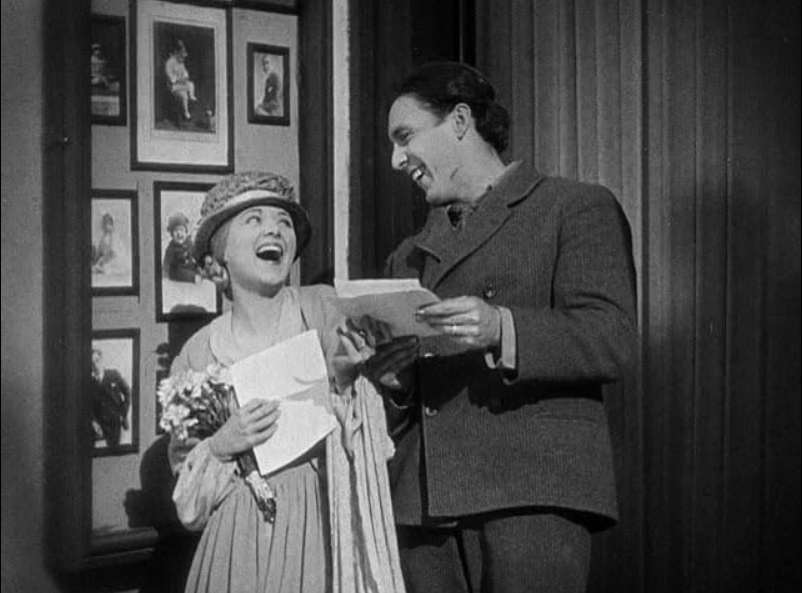
- P. 283-284: “…anyone who suggests that the 1950s was a time of conformity and close-carpeted positivism needs to see Kiss Me Deadly [1955] and feel how law, police, and decency have given up the ghost.”
- P. 356: “The value of the movies was simple and sweeping for writers: film helped you see your own scene in your head, and you could count on readers having the same instinct. Soon enough, literature would find that dispassionate observation as almost a policy in philosophy. Seeing was so potent and immediate, you could overlook its consequences.”
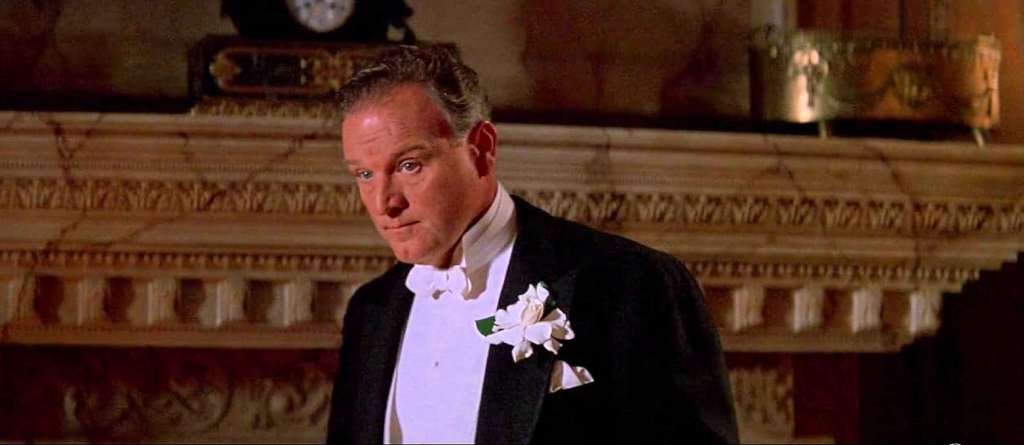
- P. 414: “The influence of our movies is not just a cultural sidebar, like an evening a week set aside for our fun. It was the engine of our time, the signal of so many screens to come; it is a model for how we look and decide, whether we participate or are content to be spectators.”

- P. 418: “Reagan was a career forgetter, long before any suspicion of Alzheimer’s. From reading radio commentaries during the war, he believed he had been present at events he never witnessed. As the journalist Tom Shales would point out, ‘When are they going to realize that with Ronald Reagan “seemed” and “was” are one and the same?’ In Murder in the Air (1940), a fifty-five-minute B picture, where he plays ‘Brass’ Bancroft, there is a cockamamie plot McGuffin about a destructive ray (the Inertia Projector), and it stuck with him as the Strategic Defense Initiative, not just difficult to achieve but maybe ridiculous, and later called Star Wars, referring to the fantasy of the George Lucas movies.”
- P. 453-454: “The most decisive figures in modern moving images have not been Lew Wasserman, the team that comprised DreamWorks, or the agent turned executive Mike Ovitz, who seemed central and supreme for two decades, until he was gone. It was Steve Jobs and the other innovators who have altered our scope of seeing and communicating, and with it our contact and contract with reality.”
- P. 493 [quoting Steven Soderbergh]: “…and there’s no question that in the last two years there are certain words in meetings that you can’t say. Words like ‘elevated,’ ‘smart,’ ‘better.’ You literally can’t indicate at any point that you’re going to do anything that won’t be understood by a below-the-average audience member.”
- P. 511: “If you add up the broken pieces a young person sees in a day, the chaos is like the earliest years of movie, when a viewer saw so many things we would call shorts, or clips, or bites. They were not whole movies but the debris from an explosion in the culture, where reality seemed to be scattered everywhere we looked. It is the bang that made cubism, the machine gun, and shellshock.”

- P. 518: “As American victory [in World War II] hardened into empire, so the uninhibited element of fantasy fed into the American soul. It bred several dangerous fallacies: that happiness was an American right; that individuals could be free in a mass society; that American power would endure because the United States was the greatest of all nations. All those foolish principles are endangered now, and the steady process of watching a glorious but unattainable reality has warped our judgment and made us bitter.”
Finally, today is Star Trek Day, commemorating the September 8, 1966, broadcast of the first Star Trek episode, “The Man Trap.” So this seems like a good opportunity to revisit the series of essays I wrote a few years ago on Star Trek: The Original Series. I was especially happy with this essay on “Return to Tomorrow.” Live long and prosper.
 The Creative Life Adventure
Leave a comment