I would like to be a saint.
John Coltrane, when asked in 1966 where he would like to be in 10 years
I watched two outstanding films this week. Both left me in awe and somewhat uncertain as to what exactly I should take from the experience. Meaning both movies gave me a lot to think about, and I love when that happens.
Ava DuVernay‘s Origin (2023) is a dramatization of Isabel Wilkerson‘s life during the research and writing of her book Caste: The Origins of Our Discontents. The book explores commonalities across systemic racism in the U.S., the caste system in India, and Nazism in Germany. Origin provides an account of Wilkerson’s life during that time period along with an exploration of the book’s theme. It’s a complex film with a vast scope in both time and geography. A lot of credit belongs to Aunjanue Ellis-Taylor for her brilliant performance as Wilkerson. Are we to blame for social structures that have been accepted so long as to seem normal? In truth, we all bear some responsibility for not resisting.
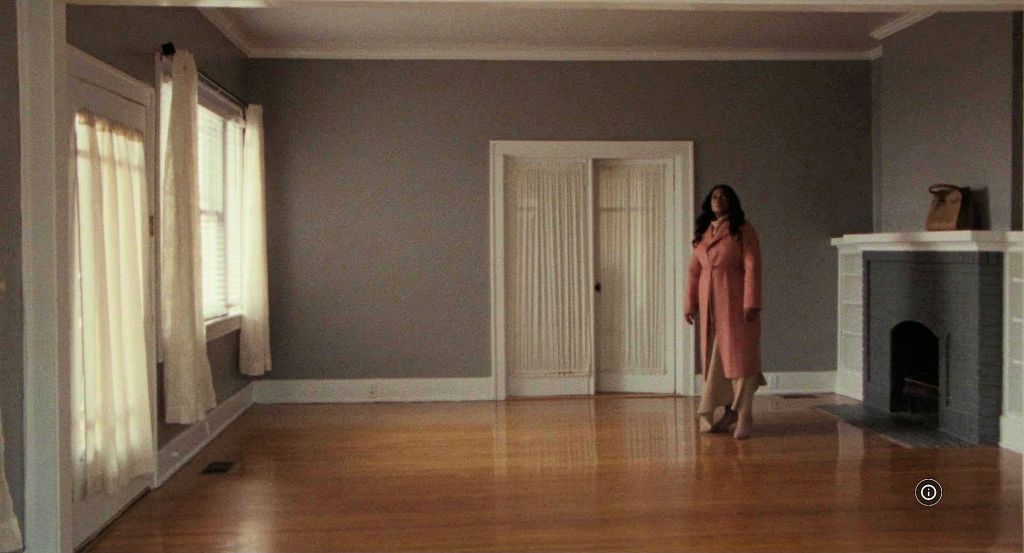
I also watched Wim Wenders‘ Perfect Days (2023). Co-written by Wenders and Takuma Takasaki, Perfect Days is a “day-in-the-life” film with no shootouts, no explosions, and minimal shouting and scenery-chewing melodrama. The movie follows Hirayama (Kōji Yakusho), a professional public toilet cleaner, as he follows his daily routine. Of course, the daily routine is thrown off-kilter by professional and personal disruptions. A lot of people might find Hirayama’s days less than perfect – the subjectivity of a word like “perfect” is part of the film’s appeal. And, like Origin, the central performance, by Kōji Yakusho, contributes significantly to the charisma of Perfect Days. As Hirayama navigates conflict and clings to beloved rituals, perhaps it isn’t the days that are perfect, but Hirayama’s commitment to experiencing them. This is, in some ways, an anti-multiverse movie, instead finding the sum of our days to be a multitude of opportunities and experiences. “This world is made up of many worlds,” Hirayama says. “Some are connected, some are not.” The final shot is so moving, I found it difficult to keep looking at the screen, not because it’s unpleasant, but because of its emotional intensity. Perfect, indeed.

Origin and Perfect Days are both currently streaming on Hulu.
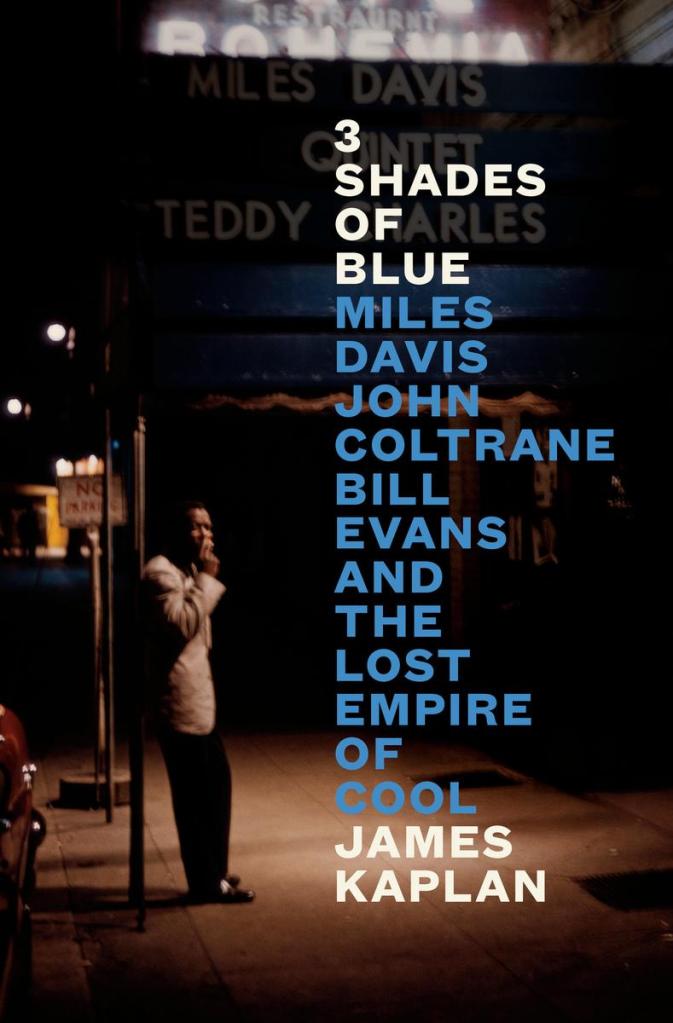
Finally, I wrote briefly a couple of weeks ago about James Kaplan‘s book 3 Shades of Blue: Miles Davis, John Coltrane, Bill Evans, and the Lost Empire of Cool. I finished the book last week and it is fascinating. The book is well researched and compellingly written. The narrative has a tragic quality, as all three artists suffered from years of drug and/or alcohol dependency along with assorted other health issues. Coltrane was only 40 years old when he died of liver cancer. Of course, rock music and generational changes had a lot to do with the “decline” of jazz, but I hadn’t realized how much the direction of jazz was influenced by the combination of such factors as Coltrane’s early death, Davis’ quest for fame, and Evans’ addiction. Jazz fans will certainly want to read 3 Shades of Blue, but anyone interested in 20th Century pop culture will find a lot to appreciate here.

 The Creative Life Adventure
Leave a comment