“All novelists find inspiration in reality, but Ian Fleming, more than any writer I know, anchored the imagined world of James Bond to the people, things and places he knew. Espionage is itself a shadowy trade between truth and untruth, a complex interweaving of imagination, deception and reality. As a former officer in naval intelligence, Fleming thought like a spy, and wrote like one.”
For Your Eyes Only: Ian Fleming and James Bond
by Ben Macintyre
You Only Read Twice

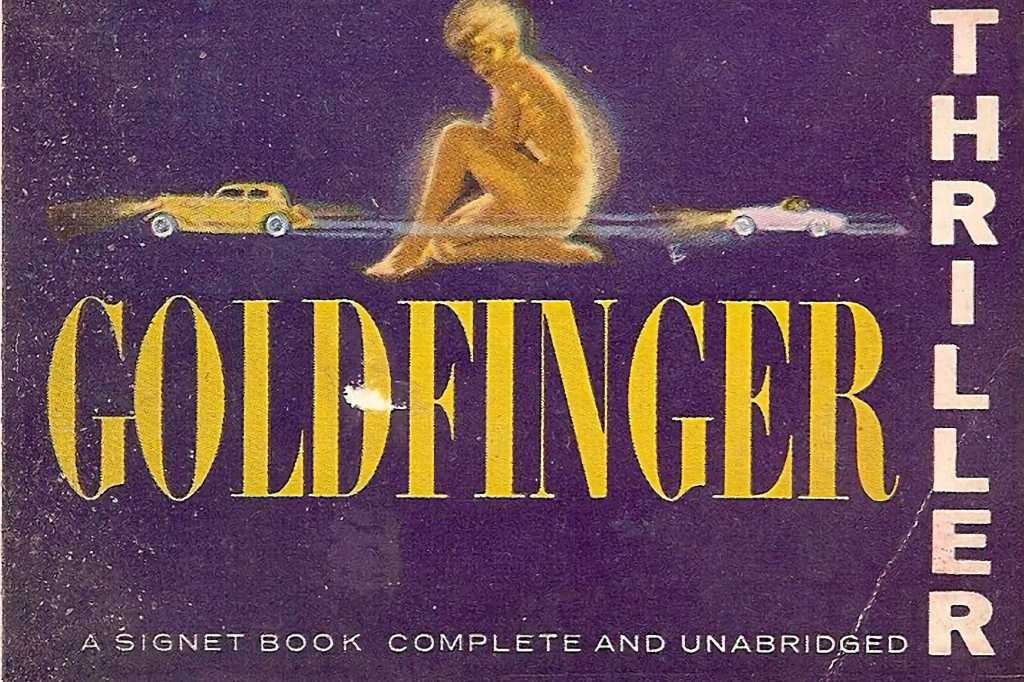
This week I read For Your Eyes Only: Ian Fleming and James Bond by Ben Macintyre. I was already familiar with Macintyre’s skill as a nonfiction writer after reading his 2008 book The Spy and the Traitor: The Greatest Espionage Story of the Cold War, a truly remarkable tale brilliantly told. Macintyre wrote For Your Eyes Only to accompany an exhibit at London’s Imperial War Museum to observe the 100th anniversary of Ian Fleming‘s birth. For fans of the Bond books or movies, this book is a treasure trove. (My only nitpick with the book is a slightly schizophrenic presentation – the text focuses primarily on Fleming’s books, while most of the images come from the movies. Both are appealing, just a little out of synch.) It’s well known that Ian Fleming drew heavily on historic events and his own life experiences in writing the Bond stories, but For Your Eyes Only spells out a lot of those experiences in detail, including identifying individuals considered most responsible for inspiring Bond, M, and other significant characters in the Bond narrative. It also gives insight into Ian Fleming’s creative process – he wrote 2,000 words per day (per day!) and sometimes finished the first draft of a novel in less than two months – and demonstrates how thoroughly James Bond is embedded in our culture. Did you know that the real MI6 exploits the popularity of James Bond for recruiting purposes? Hardcore Bond fans may already be familiar with many of these details, but if not, For Your Eyes Only is a great resource and a fun read.
“James Bond is now an MI6 recruiter. A real spy agency, harnessing fiction, based on fact, to recruit real spies: no one would have been more flattered than Ian Fleming.”
For Your Eyes Only: Ian Fleming and James Bond
by Ben Macintyre
The Lord and the Admiral
“Tell me one thing in life that is absolutely for certain.”
James Earl Jones as Admiral James Greer
Patriot Games (1992)

Most people will recall James Earl Jones as the voice of Star Wars Sith lord Darth Vader, and that’s understandable. He not only had a voice that could chill or comfort, depending on the context, but he knew how to use that voice to brilliant effect. Who would have thought Jones had a childhood stutter and took up acting partly to overcome it? It wasn’t just his voice, though. He accomplished the same in person. Jones didn’t need much screen time to have a powerful impact, as he did playing Sergeant “Goody” Nelson in Francis Ford Coppola’s Gardens of Stone (1987). Or as frustrated NSA Agent Bernard Abbott in the eminently re-watchable Sneakers (1992).

One of my favorite James Earl Jones roles was as Admiral James Greer in the Jack Ryan trilogy: The Hunt for Red October (1990), Patriot Games (1992), and Clear and Present Danger (1994). Other than the source material’s author, Tom Clancy, Jones was the only constant in the trilogy. Just as James Bond had M, Jack Ryan had James Greer, an M for a more radical era, his mentor and conscience through all three films. As Greer, Jones struck the perfect balance as a lifesaver – showing up to complete the perfect scheme at the end of The Hunt for Red October – who was never a cheerleader; just look at his grim expression after the terrorist camp raid in Patriot Games. How many actors could have pulled that off? Just as Darth Vader would only have been half an icon without Jones, Jack Ryan could never have saved the world without Greer’s shoulders to stand on. In these days of gun-nuts, anti-vaxxers, and alternate facts, Greer’s advice to Ryan in Clear and Present Danger is even more applicable today: “Watch your back, Jack.”


 The Creative Life Adventure
Leave a comment