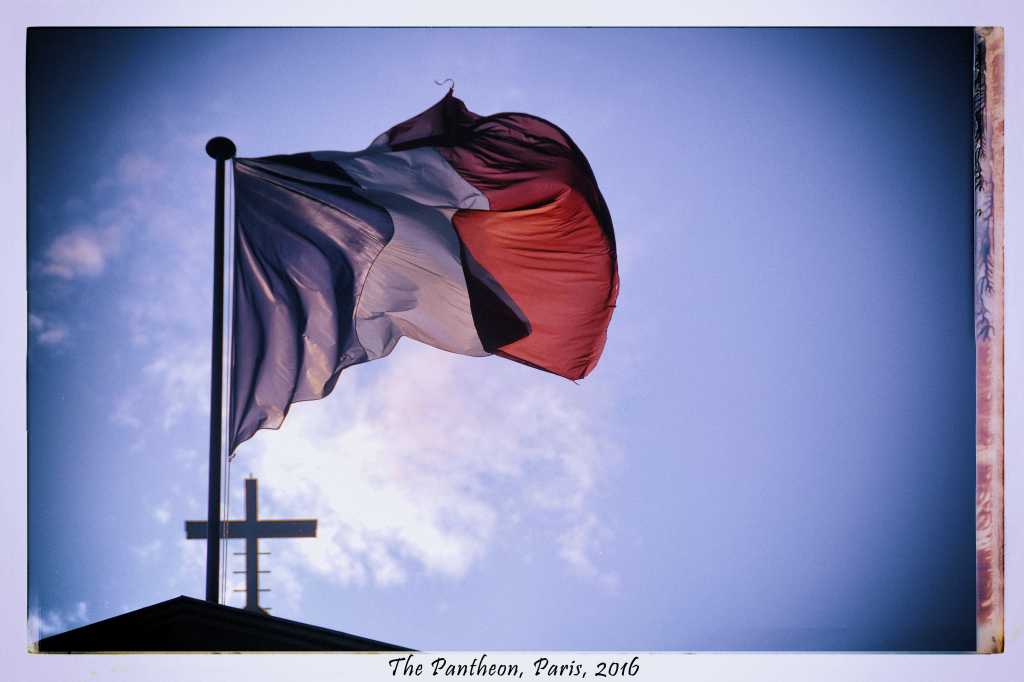
“There is nothing like a dream to create the future.”
—Les Miserables, Victor Hugo–
When I first read Victor Hugo‘s Les Miserables in 2019, I found it a mind-boggling experience. Hugo’s long and winding book is an adventure, a love story, a tragedy, a social commentary, a documentary of historic events and places, and a beckoning to revolutionary ideals. The book was published in 1862 but takes place between 1815 and 1832. Similar to what Herman Melville did in Moby-Dick in 1851, Hugo incorporates a great deal of factual information into his novel, sometimes in long digressions that bear little direct impact on the story.
While many describe Les Miserables as a dramatization of the French Revolution of 1789, the time setting of the book clearly makes this impossible. As smarter readers than me have pointed out, the story is more about the aftermath of the revolution. Not being well versed in French history, a lot of the book was beyond my understanding. That didn’t diminish the power of the dramatic events that occur throughout Les Miserables, but it certainly meant that I wasn’t able to grasp the book’s full impact. Of course, the full impact may be impossible to grasp so many years later, especially to someone who isn’t French and is reading an English translation. Still, the time has come for a second and more careful reading. The chaos of our present day is another motivator: picking up the same book every day for a year offers some appealing stability.
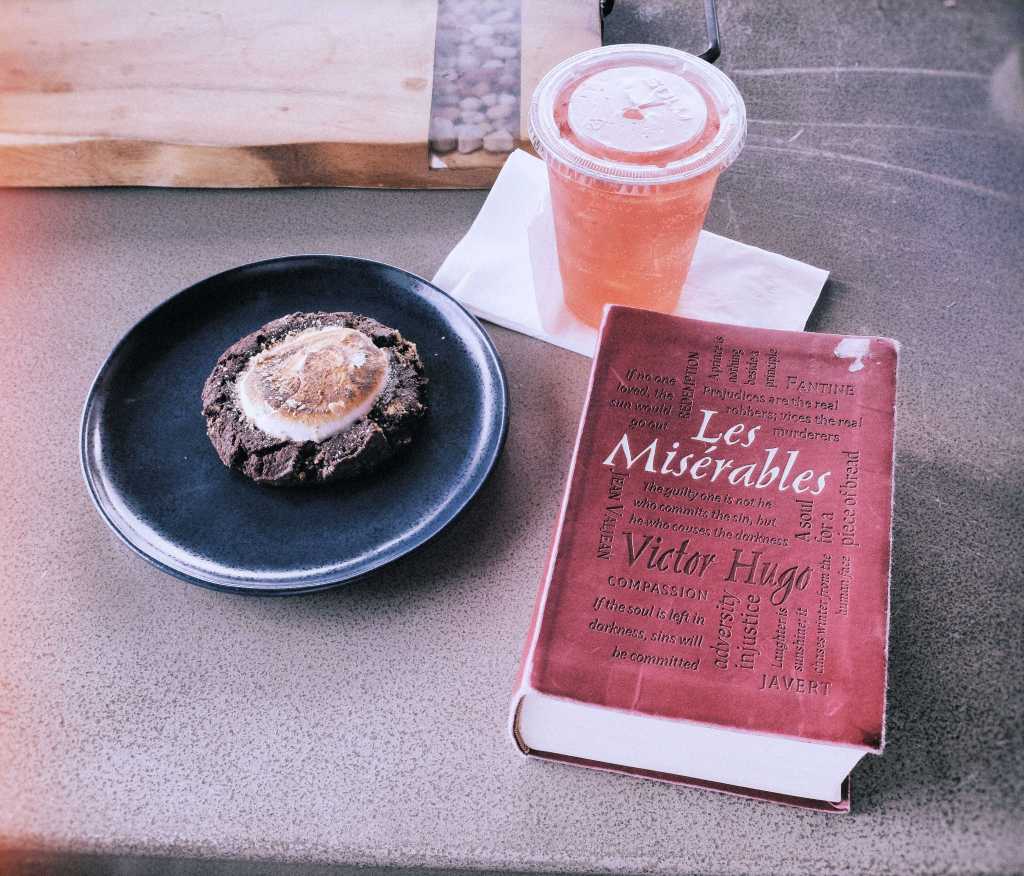
Les Miserables is one of the longest novels ever published, but it has more chapters than a Dan Brown novel. In fact, Les Mis is divided into 365 chapters. How convenient! So my plan for 2026 is to read approximately a chapter every day. There’s no doubt that on some days, scheduling will prevent me from reading a chapter, but that should be easy enough to make up on subsequent days. That will give me time to dig a little deeper into the historic significance of the tale. I’m sure a lot will still be beyond me, but this is a book that I want to better understand. I’m reading the Canterbury Classics edition printed in 2012, with a translation by Isabel Hapgood. I had considered reading Les Mis for some time when I came across this edition while browsing in the small but eclectic Adobe Books in San Francisco. I liked the look of the fake-leather cover, and the time seemed right, so I bought it impulsively. It turns out that Isabel Hapgood began publishing English-language translations of Victor Hugo’s work in 1887, and this was the first exposure a lot of U.S. readers had to Hugo’s writings. Hapgood was best known for translating the works of Russian authors, including Maxim Gorky, Fyodor Dostoevsky, Anton Chekhov, and others. Hapgood’s translation of Les Mis is the version currently available at Project Gutenberg. I think this is not considered an optimal translation by many readers, but it’s the edition that’s available to me.
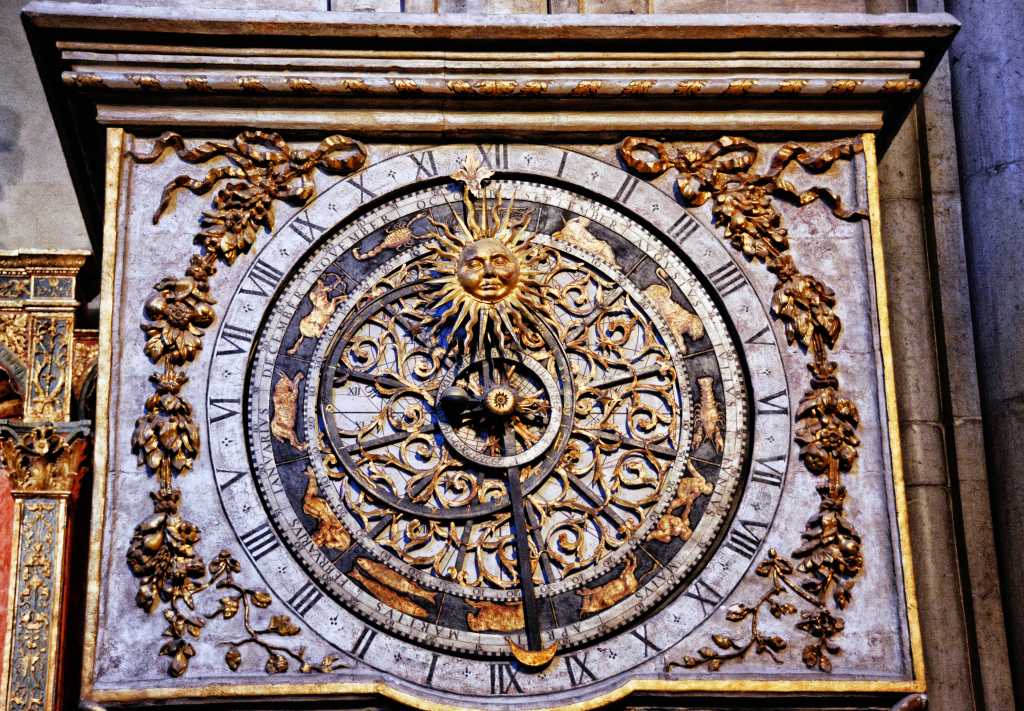
They say time is the fire in which we burn.
–Malcolm McDowell as Tolian Soran, Star Trek: Generations (1994)–
I also see this experience as a meditation on the dual nature of life and time. On one hand, our days are severely limited. As John Mellencamp sang, “Life is short, even in its longest days.” We tend to charge through life as if tomorrow will always arrive. But sooner or later it won’t, and we never really know when that time will be. During a bus ride many years ago, I overheard a snippet of conversation that stuck with me. A man told his seatmate, “Each man is allowed a certain amount of grace. No man knows how much grace that is.” The abstract nature of “grace” didn’t mean much to me at the time, but I’ve been thinking about that sentiment a lot in recent months. We should live our days deliberately.
On the other hand, most of us have at least enough time to accomplish some of the things that are important to us. As much as it might not matter in the grand scheme, Les Miserables is a book I have wanted to spend more time with. I believe Victor Hugo had insights to share that will help me be a better person. The book’s length is intimidating, but, again, 365 chapters invites a year-long read. You can do the same if there’s a long book you’re thinking about reading. Do you want to write a novel? Write five hundred words a day. Or write one hundred words a day. One hundred words a day, five days a week, for fifty weeks (trust me, some vacation time will help you), will give you 25,000 words after one year. That is not a complete novel, but it puts you a lot closer than 99% of the population will ever get. Want to master the piano? Start practicing chords. Want to become a tennis player? Drop everything and spend a few minutes practicing your serve. Want to be an artist? Sketch a chair or a tree or a dog. Critique your work and make a better sketch tomorrow. Start with a sense of urgency, but rely on patience and perseverance – in other words, time – to make real progress.
Assuming humanity doesn’t entirely self-destruct in 2026, I plan to post a few Les Miserables updates during the year. In the meantime, I wish you a safe and contented year, and a generous amount of grace in your own long projects.
 The Creative Life Adventure
Leave a comment