I wanted to express something of life’s struggle…
Vincent Van Gogh, letter to Theo Van Gogh, May 1882
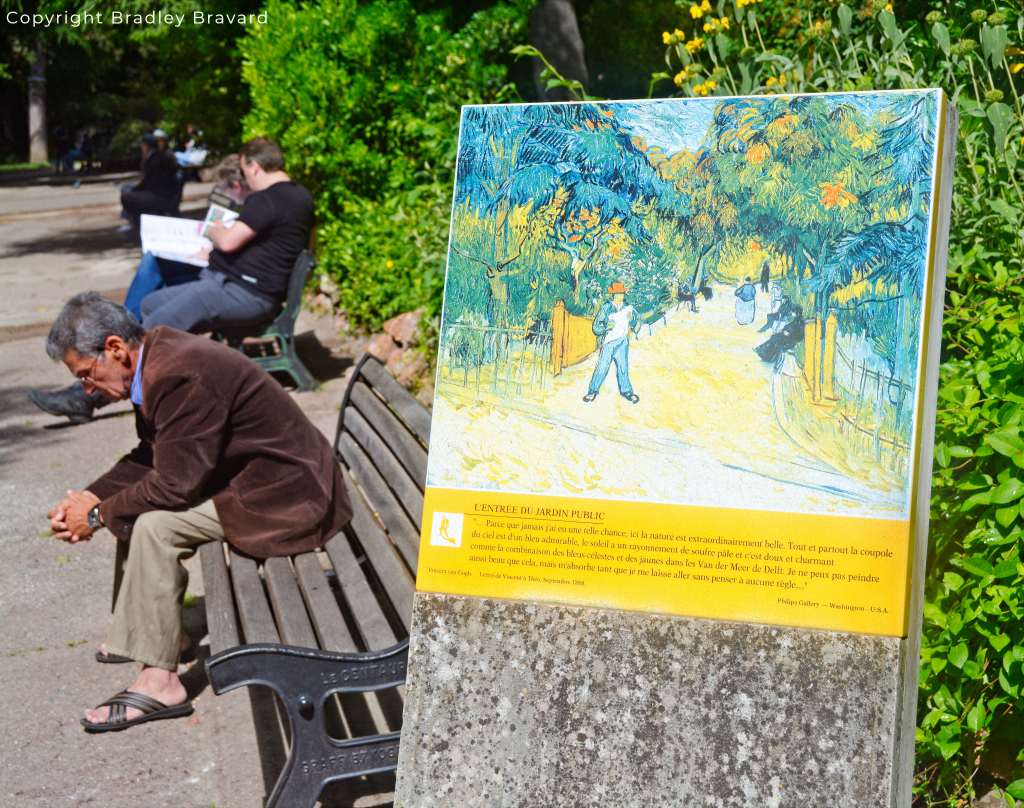
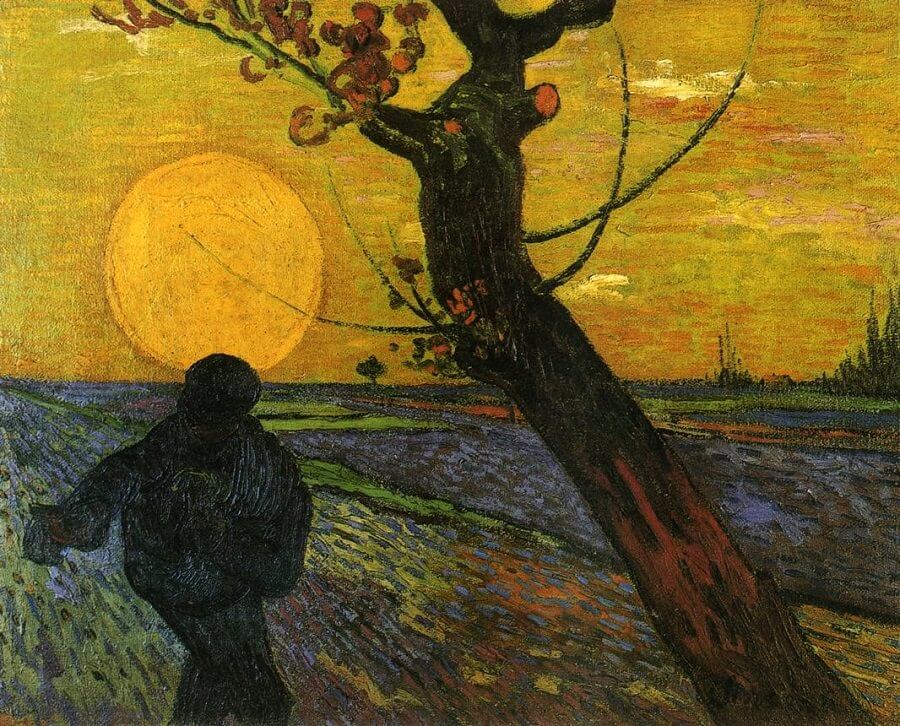
I’ve been thinking about Vincent Van Gogh this week. I finished reading Van Gogh in Provence: Modernizing Tradition, which I was lucky enough to pick up at a used bookstore recently. I first became interested in Van Gogh when my wife and I spent several days in Arles, France, during our honeymoon. Van Gogh only lived in Arles for 15 months but did some of his best known work there, including Starry Night, Cafe Terrace at Night, and The Sower. Van Gogh in Provence was published by the Foundation Vincent Van Gogh Arles and expands on Van Gogh’s Arles period with an overview of his time throughout the region. It was a tumultuous time, as Van Gogh’s mental illness became fully manifested in Arles, most notably with his altercation with Paul Gauguin and multiple subsequent hospitalizations. If anything, awareness of his mental struggles seems to have motivated Van Gogh to become even more dedicated to his art.
Van Gogh also completed some of his famous sunflower paintings while in Provence, and came to have almost proprietary feelings about sunflowers – in an 1889 letter to Gauguin, he wrote, “If Jeannin has the peony, Quost the hollyhock, I indeed, before others, have taken the sunflower.” I don’t have any actual sunflowers growing in my yard, but dune sunflowers do well in our brutal Florida climate. Their bright blossoms appear year-round and they always make me think of Van Gogh.

I finished reading Roger Ebert’s The Great Movies, a book I mentioned last week. As always, I don’t agree with all of Ebert’s selections of “great” movies, but even when I disagree, he has an interesting perspective that gives me new insight into the film. So far I’ve seen 44 of the 100 films covered in The Great Movies, and have added several more to my queue. After reading Ebert’s essay on Woody Allen’s problematic film Manhattan (1979), I rewatched the movie and, good heavens, I have some things to say about this. But I just finished the film last night and need time to process it, so, that will wait until next week.
- P. 41 reviewing Apocalypse Now (1979): “If we are lucky, we spend our lives in a fool’s paradise, never knowing how closely we skirt the abyss.”
- P. 318 reviewing Nashville (1975): “The buried message may be that life doesn’t proceed in a linear fashion to the neat ending of a story. It’s messy and we bump up against others, and we’re all in this together.”
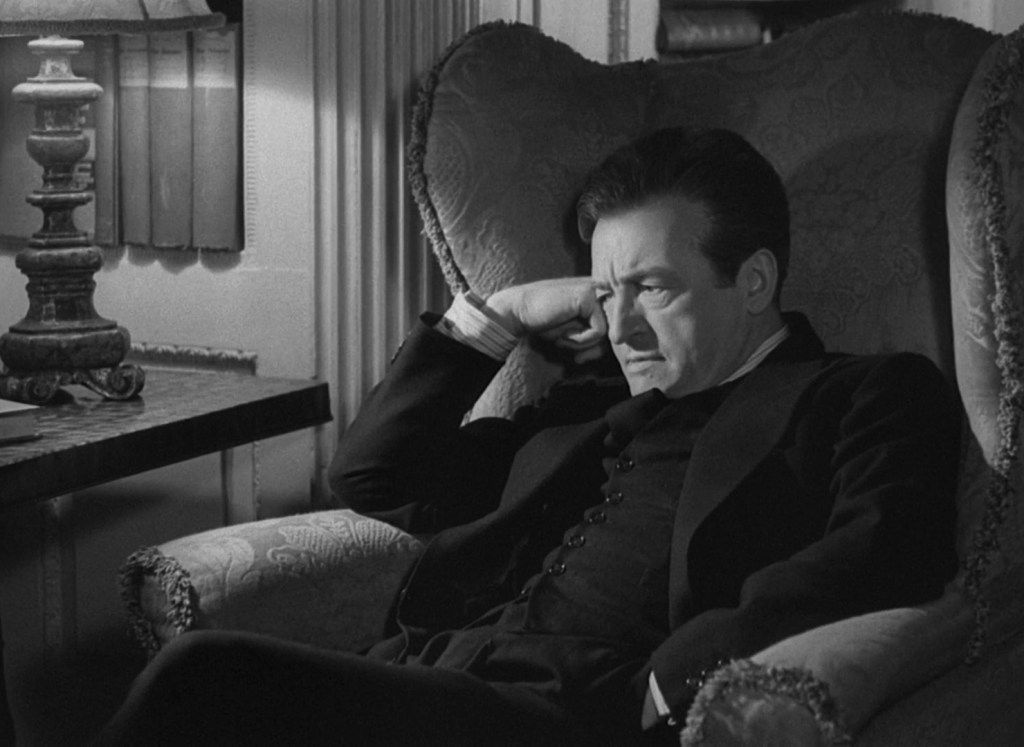
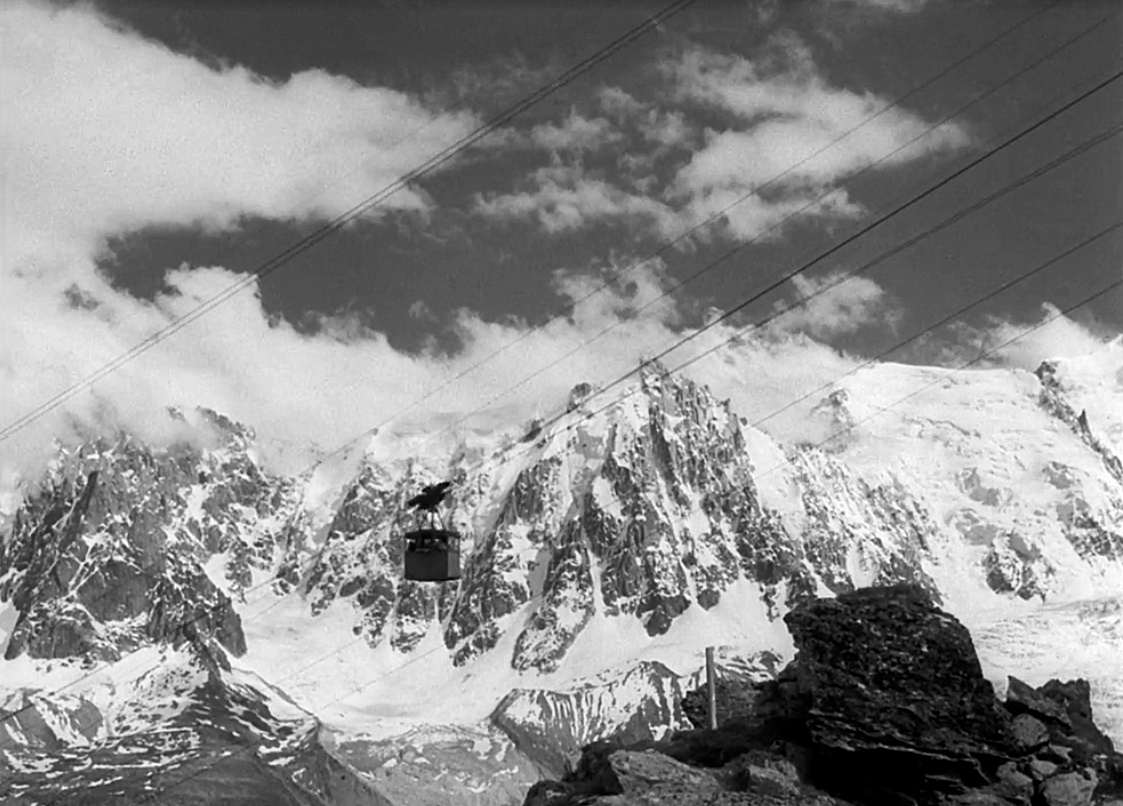
Speaking of movies, I watched David Lean’s The Passionate Friends (1949) this week. I don’t have much experience with Lean – I like The Bridge On the River Kwai (1957) but don’t care for Doctor Zhivago (1965). I haven’t even seen Lawrence of Arabia (1962), but it’s in my queue to watch soon. The first 20 minutes or so of The Passionate Friends had me watching the clock; it seemed like a conventional love triangle. I’m glad I stuck with it. The cinematography and composition of some of the shots, the visual expression of the characters’ situations and personalities, were brilliant. Just look at those shots of Mary (Ann Todd) and Steven (Trevor Howard) ascending the Alps in a cable car. Or the scenes in the London Underground. Claude Rains co-stars as the husband who may or may not be the villain of the story. I’ve long been a fan of Rains but there tends to be a similarity to some of his performances. The Passionate Friends, however, must be some of his best work, in a role that is restrained, grim, and determined. I haven’t read the source novel (by H.G. Wells, of all people), but it appears that significant changes were made for the screen. Either way, if you’re a classic film buff, check out The Passionate Friends, it’s streaming on Tubi currently.


 The Creative Life Adventure
Leave a comment