Scully: “What if there was only one choice and all the other ones were wrong? And there were signs along the way to pay attention to.”
Mulder: “And all the choices would then lead to this very moment. One wrong turn, and we wouldn’t be sitting here together.”
— The X-Files, Season 7, Episode 7, “All Things”–
I think about The X-Files often, but I’ve been thinking about it even more this week. The X-Files is a comfort watch for me, a series I can turn to any time to relax and enjoy the enduring stories and character dynamics. It’s also a creative inspiration in terms of both episodic and long-form storytelling. The writing, acting, production design, visual effects, and overall vibe of The X-Files was unique to television when the show premiered in 1993. It still holds up after more than thirty years. And I’m not sure if I ever watched the show without marveling at the brilliant music of Mark Snow, who passed away on July 4.
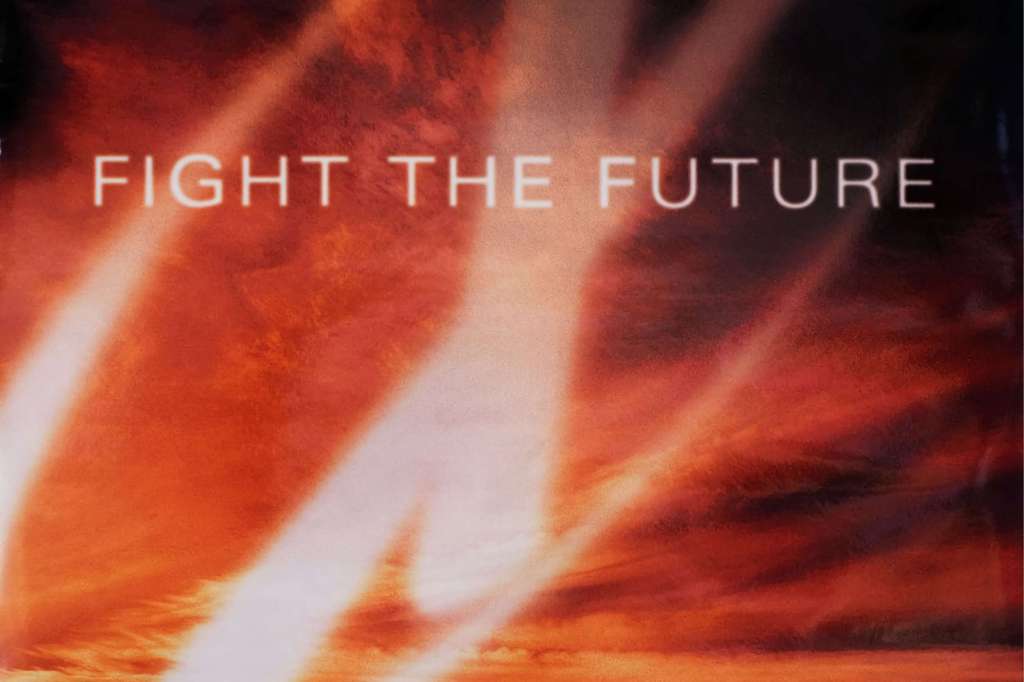
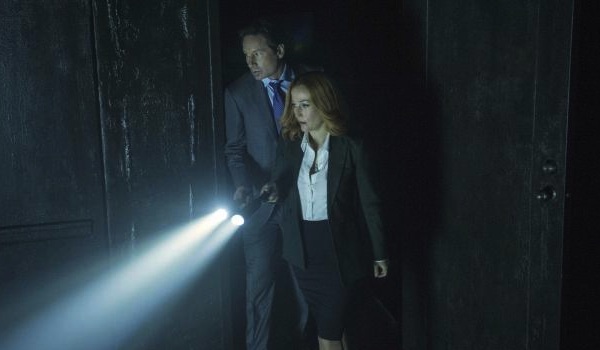
Snow composed the scores for all 218 X-Files episodes and both feature films, The X-Files (1998) and I Want to Believe (2008). I’m not generally a fan of electronic music – the TV music was created in Snow’s home studio – but in this case it set just the right mood for the surreal adventures of Mulder and Scully. As the FBI agents lit the dark with their ever-present flashlights, Snow provided the light that guided us through years of dark stories. Whether the music was soft or loud, moody or brash, it always fit the characters and the action so perfectly, it’s safe to say the show wouldn’t have been The X-Files we know and love without Mark Snow. Even when the writing was underwhelming, Snow’s music elevated the material as only a great composer can.
Snow’s years of prior experience no doubt paved the way. He studied at Juilliard before forming the New York Rock & Roll Ensemble with four other musicians, including a couple of Juilliard classmates. The Ensemble toured and recorded several albums in the late 1960s and early 1970s, performing what they described as “classical baroque rock,” sometimes even incorporating classical elements into their music. Snow’s brother-in-law in the early ’70s was actor Georg Stanford Brown, who connected Snow with producer Aaron Spelling. Snow composed music for six episodes of Spelling’s series The Rookies, and the rest is history.
Music for series like Starsky & Hutch, The Love Boat, T.J. Hooker, and Falcon Crest followed; feature film scores, too. All of that work must have prepared Snow for the patience and insight to match wits with Chris Carter in developing The X-Files theme: this Television Academy Foundation interview offers fascinating insight into Carter’s creative process. Success sometimes comes down to luck, but it takes hard-won knowledge to hone in on that luck and make the best of it. Carter must have recognized a kindred spirit, because Snow also composed music for Carter’s other TV productions, Millenium, The Lone Gunmen, and Harsh Realm.
The X-Files used space aliens and supernatural beings to explore the most disturbing aspects of the human condition, and somehow reassured us in the knowledge that we weren’t alone with our fears. Navigating the unexpected was a big part of the show’s message. The only certainty on any given day is how fragile and uncertain life can be. Mulder will lose his father. Scully will lose her sister. Real people will die in our real lives and we will suffer real injuries. Such dark times are part of the journey, and the best way to endure is with a dependable partner. In a landscape where mere mortals could not be trusted, Mark Snow’s music was always a trustworthy source, a viewer’s reliable partner along the path. The moral he left us with is simple: sometimes music is the beacon we need to chase away the darkness.


 The Creative Life Adventure
Leave a reply to docbravard Cancel reply