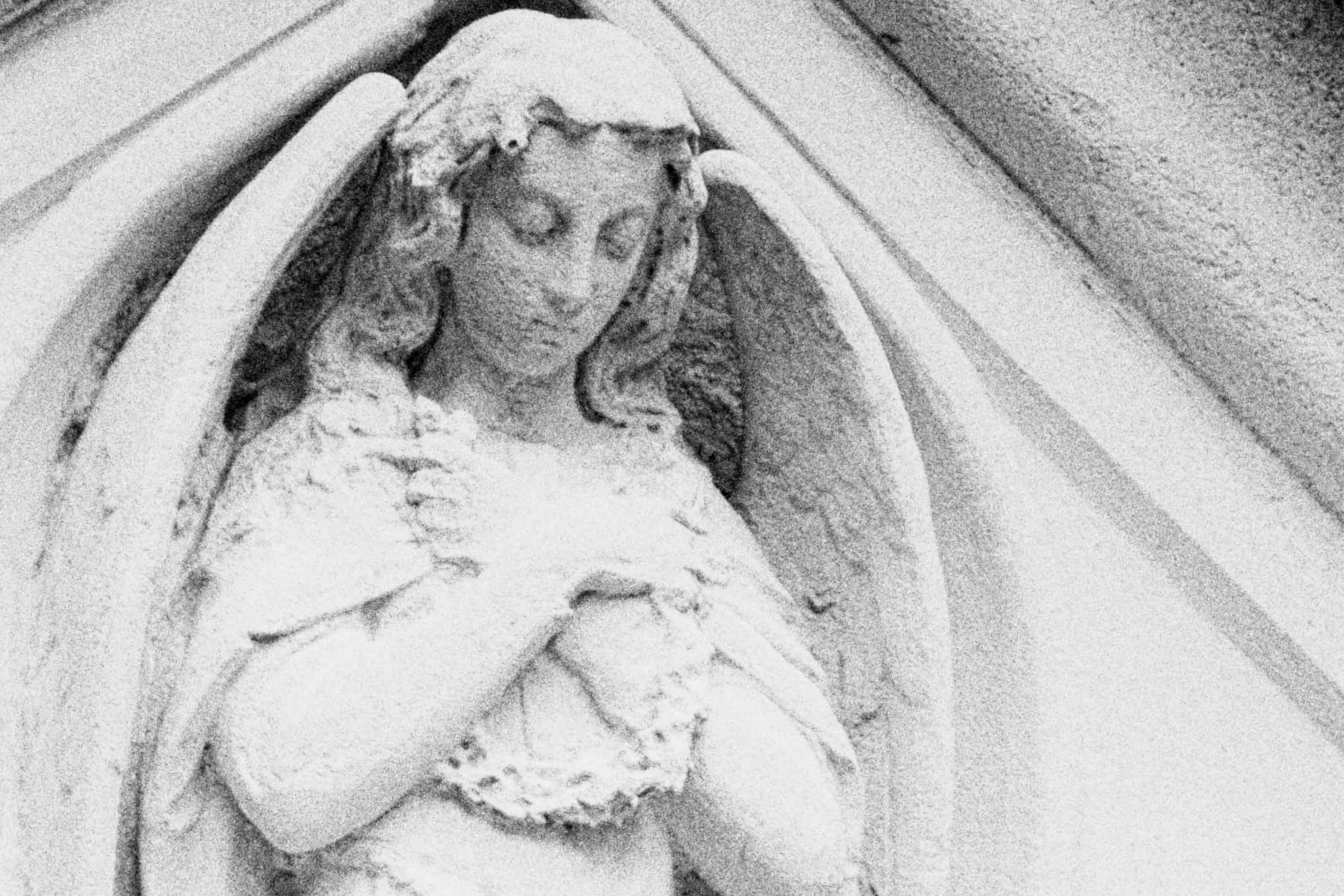
“Paris is sufficiently compact that you can cross it with ease, in a few hours, and it has no grid, forestalling monotony. It virtually demands that you walk its length and breadth; once you get started it’s hard to stop. As you stride along you are not merely a pedestrian in a city – you are a reader negotiating a vast text spanning centuries and the traces of a billion hands, and like a narrative it pulls you along, continually luring you with the mystery of the next corner.”
—The Other Paris, Lucy Sante–

As I’ve written previously (see Uncertain Grace and Shaped by Time and Trouble), one of my projects for 2026 is a slow re-reading of Victor Hugo‘s Les Miserables. This long novel was published in 365 chapters, making for a perfectly formed chapter-a-day undertaking. My understanding of the novel is being helped considerably by The Les Miserables Reading Companion, a podcast I wish I had known about earlier. Episodes were posted in 2018 and 2019 by Dr. Briana Lewis, Associate Professor at Allegheny College in Pennsylvania. In each episode, Dr. Lewis reviews a section of Les Miserables, exploring the novel’s themes and historic context, and, indirectly, explaining how this 1800s novel is still relevant today. Sadly, much of that relevance relates to discrimination, poverty, repressive state policies, and other dismal aspects of human behavior. Another theme is the ever-changing nature of cities, especially Paris, where much of the action takes place.

Despite the upbeat tone the quotation above might imply, Lucy Sante‘s 2015 book The Other Paris is not aimed at casual tourists. Instead, she explores the rougher side of Paris, primarily the city as it existed in the 1800s and early 1900s, accompanied with numerous compelling images that add depth to the text. Criminals, prostitutes, low-brow entertainers, barflies, corrupt cops, and insurrectionary citizens are among Sante’s groups of interest. This is much closer to the Paris that Jean Valjean and Cosette experience in Les Miserables, at least in the earlier periods of their time in the City of Light, and it is certainly the city inhabited by Gavroche and the other gamins, the homeless children, that Victor Hugo describes so compassionately.

I also recently read Rebecca Makkai‘s The Great Believers, a novel that will certainly show up on my year-end favorite books list. And while part of Makkai’s story is actually set in modern-day Paris, it is the book’s other timeline, in 1980s Chicago when the AIDS crisis swept the city, that also calls to mind Hugo’s novel. Some of Makkai’s characters are discarded by society, modern-day contemporaries of “the wretched” in Les Miserables. The Great Believers, despite being a novel, describes the very real aspect of the AIDS crisis that involved social discrimination, harassment, and the capitalistic “winning” by insurance companies and pharmaceutical manufacturers that made out like bandits while their clients suffered and died. And in the traumatic deaths of the HIV/AIDS victims, it’s hard not to recall Fantine’s equally traumatizing death. Like those modern-day miserables of the 1980s, for Fantine’s one error of sexual misjudgment – getting pregnant by Tholomyes – “civilized” society imposed a long and torturous death sentence. They are all les miserables, the wretched, the dispossessed.

In other words, death is always present, particularly for those forced to live on the margins, and that is another of Les Miserables‘ themes. Near-death, like Jean Valjean’s escape from the cemetery, and the deaths of social isolation experienced by the nuns at the convent of Petit-Picpus, foreshadow the inevitable reality suffered by Fantine, the soldiers at Waterloo, and others. Hugo clearly saw virtues in Enlightenment thinking: “All generous social irradiations spring from science, letters, arts, education.” Yet he also recognized the poverty and dismantling of old Paris that resulted from the Industrial Revolution and subsequent advance of modernity. The 1800s could be a turbulent time in France – what Hugo called “times of terrible confusion” – but we face equally terrible confusion today. How do we carry on when the shadow of death seems all around? Do we withdraw into cloistered contemplation, as the nuns at Petit-Picpus? Do we lash out at others in misguided wrath, as Javert? Or, like Bishop Myriel and Jean Valjean, do we seek another path? Thankfully, our vast text is not yet complete. Life is precious and we should use every day to find our narrative and know the things we are here to know.




Leave a Reply